
Weather Swings
Warmer stretches can increase visible foraging as colonies expand and search more actively around homes.
2026 Utah Pest Activity Guide
Utah homeowners are noticing more ant trails, kitchen invasions, and activity around patios, foundations, and landscaping. Here's what may be causing it and what you can do before it turns into a bigger problem.
Fast context
Ants usually are not wandering randomly. They are following scent trails toward something useful.
Warmer stretches can increase visible foraging as colonies expand and search more actively around homes.
In dry periods, ants may move toward reliable moisture from kitchens, bathrooms, sprinklers, and irrigation.
Utah yards often create green, watered zones beside otherwise dry soil, giving ants shelter and water near the foundation.
Crumbs, pet food, sticky recycling, trash areas, and tiny grease residue can keep trails returning.
Foundation gaps, patio cracks, door thresholds, mulch beds, and utility openings can become repeat pathways.
Foraging logic
Ants usually are not wandering randomly. They are following scent trails toward something the colony has already found: moisture, food, shelter, or a safe path inside.
Local context
Utah's dry climate can make irrigated lawns, rock beds, kitchen moisture, and shaded foundation edges stand out. Ant activity indoors can be especially noticeable in spring and early summer, and pavement ants are commonly associated with structures in Utah.

Interactive module
Tap where you are seeing ants and get a homeowner-friendly read on what it may mean.
What it may mean
Myth vs fact
Myth
Fact
Sprays may reduce visible ants temporarily, but the colony or trail source may still be active.
Myth
Fact
Even clean homes can attract ants if there is moisture, pet food, tiny crumbs, or easy entry points.
Myth
Fact
Different ant species behave differently, nest differently, and respond differently to treatment.
Myth
Fact
Outdoor trails can become indoor problems when food, water, or access points line up.
Myth
Fact
A visible trail may be one branch of a larger pattern around the home and landscaping.
Inspection map
Hover or focus each marker to inspect common entry routes around a Utah home.
Homeowner checklist
Soft next step
If you are seeing ants in the same areas day after day, noticing trails returning after cleaning, or finding ants in multiple rooms, the issue may be connected to a larger colony, nesting site, or entry point.
A local pest professional can inspect the activity, identify likely sources, and help create a plan that fits your home.
Have questions? Call (555) 555-5555Visual guide
Eight common activity zones shown with dedicated realistic Utah home visuals instead of reused stock placeholders.
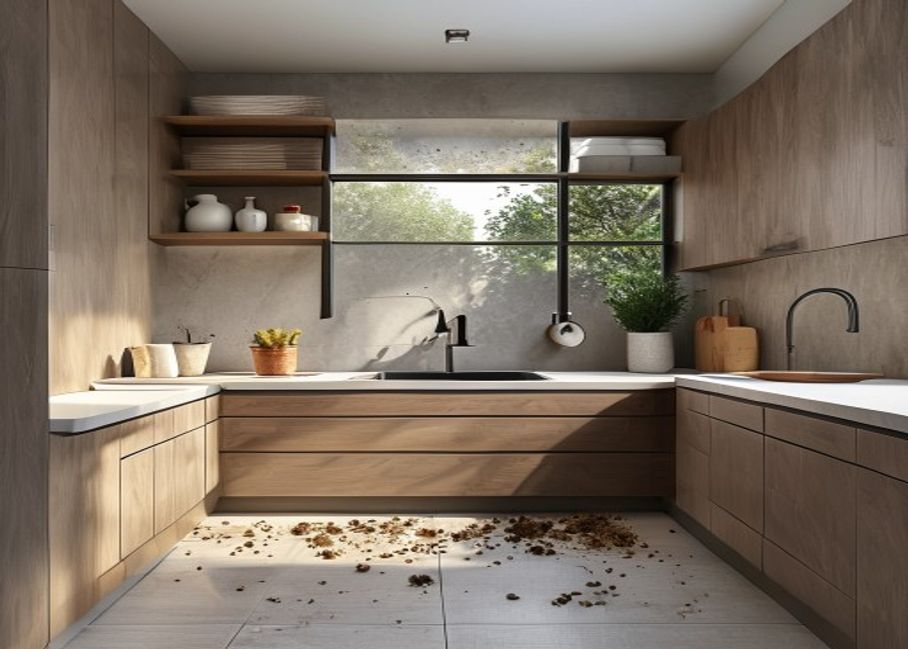
Sweet residue, crumbs, sink moisture, and cabinet gaps.

Warm concrete edges where trails can stay protected.

Mulch, rock beds, and small seams around the home.
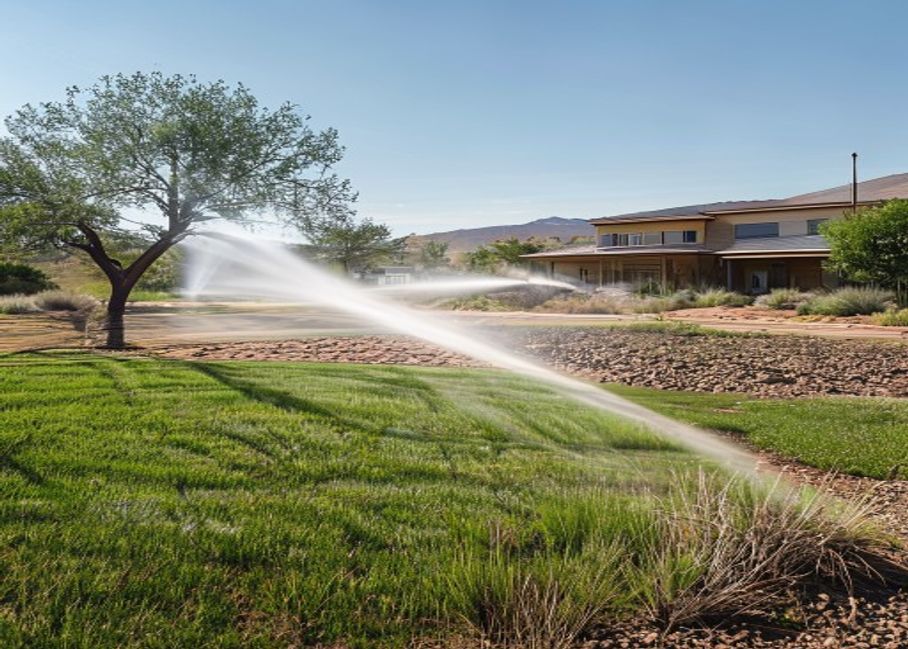
Reliable water sources beside dry Utah soil.

Heat, shelter, and hidden soil contact near walls.
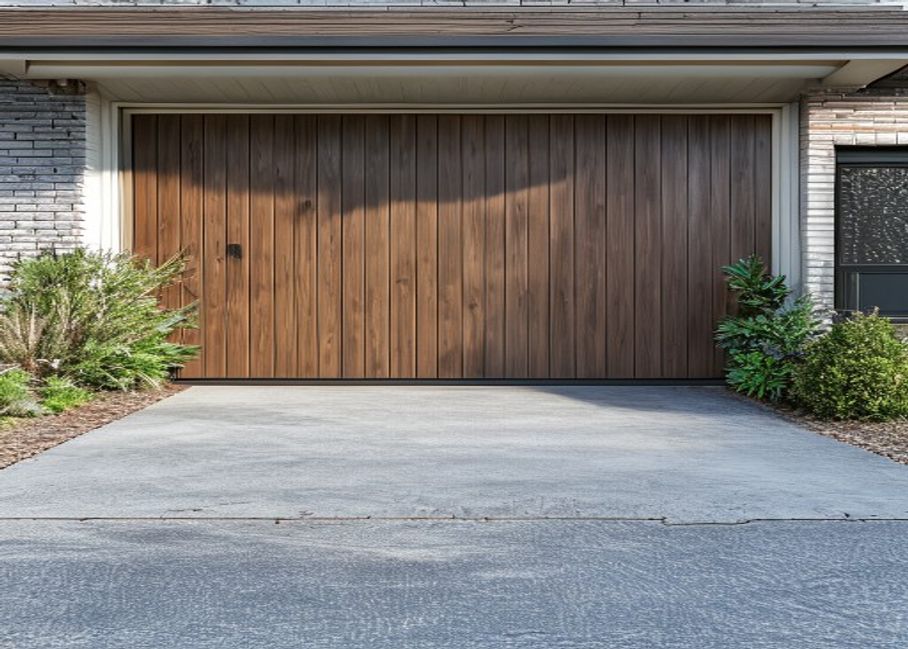
Door gaps, stored food, recycling, and slab edges.

Window wells can hold leaves, moisture, and access points.

Moisture can attract ants even without obvious food.
FAQ
They may be following scent trails toward food, water, shelter, warmth, or a small entry gap. Utah homes with irrigated landscaping and dry surrounding soil can make those contrasts more noticeable.
Indoor ant activity can be especially noticeable in spring and early summer as colonies become more active and foraging increases.
Tiny crumbs, grease residue, sticky spills, fruit, trash, pet food, recycling, and sink moisture can all keep ants returning.
The visible ants may only be part of the trail. If the colony, food source, moisture source, or entry route remains, activity may return.
Pavement ants are commonly associated with structures in Utah and may be seen around slabs, patios, driveways, and building edges.
Yes. Ants can use small foundation seams, patio cracks, wall penetrations, window gaps, and door thresholds as travel routes.
It depends on the situation and ant behavior. Baits and sprays work differently, and misusing either can make a problem harder to read.
Consider calling when trails return after cleaning, activity appears in several rooms, or you cannot identify where ants are entering.
Most household ant activity is more of a nuisance than an emergency, but identification matters because species and nesting behavior vary.
Reduce food and water access, clean trails, store food tightly, manage landscaping contact, and seal visible gaps where practical.
Salt Lake City and surrounding Utah communities
You do not have to guess where they are coming from. If ant trails keep returning, a local inspection can help identify what is attracting them and where they may be entering.
Call (555) 555-5555